Recycling and Sustainability for Landscapers Kilburn
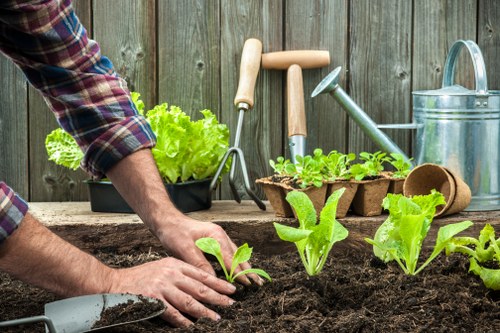 At Landscapers Kilburn, recycling and sustainability are built into the way garden clearance, outdoor maintenance, and green waste removal are carried out. Our focus is on creating an eco-friendly waste disposal approach that supports cleaner streets, healthier gardens, and a lower environmental footprint across Kilburn and the surrounding area. By separating materials carefully, diverting reusable items from landfill, and planning routes efficiently, landscaping waste management can become a practical part of local climate action.
We recognise that every outdoor project generates different types of waste. Soil, branches, turf, timber, old planters, broken paving, metal fixtures, and general garden debris all need to be handled in the right way. That is why our sustainable rubbish area practices are designed to sort material into recyclable, reusable, and residual streams. This means more of the waste collected from domestic and commercial landscaping can be recovered responsibly rather than disposed of without sorting.
 A key part of our goal is a recycling percentage target that pushes performance forward year after year. Our aim is to recycle or reuse at least 85% of suitable landscaping and garden clearance waste, with regular review to improve that figure where local processing options allow. This includes soil recovery where appropriate, green waste composting, wood recycling, and metal separation. By setting measurable targets, Landscapers Kilburn sustainability remains more than a slogan; it becomes a working standard.
Local waste handling is shaped by the availability of nearby transfer stations and authorised recycling facilities. For jobs in Kilburn, material is commonly directed through local transfer stations that can separate mixed loads and route recyclables into the correct recovery channels. These facilities help reduce unnecessary landfill use and support efficient processing of garden waste, hard landscaping remnants, and bulky outdoor materials. Using the closest suitable facility also helps reduce travel distance, which is another way landscaping waste removal can stay lower in emissions.
We also make careful use of borough-level waste separation approaches that influence how materials are sorted before onward transport. In this part of London, councils typically encourage residents and businesses to keep food waste, dry mixed recycling, garden waste, and residual rubbish apart, and that same logic helps guide our own work. When landscapers in Kilburn separate green waste from timber, metal, plastics, and inert material early, the recycling stream becomes cleaner and more efficient. This simple process supports more effective local recovery and fewer contamination issues.
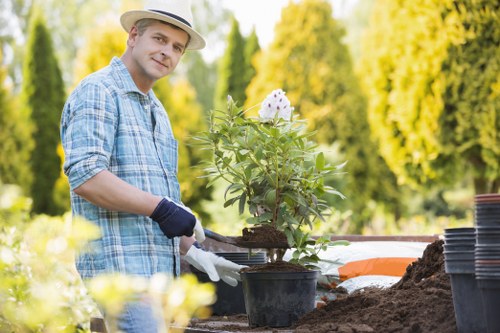 Sustainability also extends to what happens after waste has been collected. Usable timber offcuts, bricks, paving slabs, and decorative stone may be sent for reuse where safe and practical. Green cuttings can be processed into compost or mulch, while clean topsoil may be screened and returned into the supply chain. By prioritising sorting over disposal, recycling by Landscapers Kilburn helps preserve raw materials and reduce pressure on virgin resources. The result is a greener working model that supports both property care and environmental responsibility.
Another major part of our sustainability approach is partnership with charities and community reuse organisations. Where items are still in good condition, we aim to direct them towards charities or reuse networks that can give them a second life. This may include pots, outdoor storage items, tools, furniture from garden spaces, and decorative materials that are no longer needed on-site. Supporting these partnerships means less waste enters the disposal chain and more value remains within the community.
Our eco-friendly waste disposal area strategy is also supported by the use of low-carbon vans. These vehicles are selected to help reduce emissions on local journeys, especially when transporting collected waste to transfer stations or recycling facilities. Lower-emission transport is particularly important in an urban setting like Kilburn, where multiple short trips can quickly add up. By combining route planning with efficient loading and modern vehicles, we can reduce the carbon impact of routine landscaping waste removal.
In practice, this means choosing the right vehicle size for the job, avoiding unnecessary return trips, and grouping collections intelligently. When landscaping services and waste removal are planned together, there is less fuel use and less traffic impact. For clients seeking a sustainable rubbish area solution, this joined-up approach makes a meaningful difference. It also reflects a wider shift in how outdoor maintenance businesses operate in cities: smarter logistics, better sorting, and more accountability for environmental outcomes.
 We also encourage more responsible handling of specialist waste streams that often arise in garden and exterior projects. For example, untreated wood can often be recycled separately from composite materials, while metals from old fixtures should be removed cleanly and sent to metal recovery. Soil from excavation work may be assessed for reuse, and plant matter can be kept apart from rubble so it can be processed properly. These details matter, because one contaminated load can reduce the recyclability of an entire batch.
Across the boroughs surrounding Kilburn, there is growing emphasis on waste separation, reuse, and circular economy thinking. That wider regional mindset aligns closely with our work. Whether dealing with hedge cuttings, broken edging, or surplus turf, our approach is to identify what can be recovered before anything is sent on for disposal. This not only supports borough recycling objectives but also helps local outdoor projects operate with less environmental impact and better material efficiency.
For customers and contractors who value greener practices, Landscapers Kilburn offers a reliable route to more responsible waste handling. From planning collections around nearby transfer stations to prioritising charities and low-carbon vans, every stage is considered with sustainability in mind. The result is a practical service model that supports cleaner outdoor spaces, less landfill use, and more recycling across the local area.
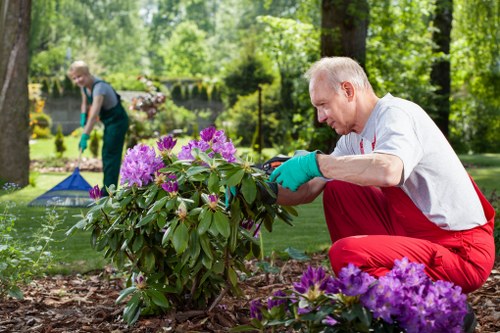 Landscapers Kilburn recycling is about more than removing waste; it is about creating a system where garden and landscaping materials are treated as resources wherever possible. That means keeping recyclable items separate, directing reusable goods to charities, and choosing transport methods that reduce emissions. With a clear recycling target, local processing partnerships, and careful sorting, the service contributes to a more sustainable Kilburn.

